Avery Foster · 6 November 2026
Italy's Botanical Networks: How Digital Archives Are Reshaping School Curricula and Artisan Supply Chains
Italy maintains extensive botanical networks that connect herbaria, gardens, and research centers through shared digital platforms, and these systems have expanded access to plant records for educational and commercial uses alike. Data from national digitization projects show thousands of specimens now available online, allowing schools to integrate real specimens into lessons without physical travel while artisans draw from verified sources for material sourcing.
Expansion of Digital Platforms Across Italian Regions
Regional herbaria in Tuscany, Liguria, and Sicily have uploaded records to centralized databases since the early 2010s, with updates continuing through 2026 as new scanning equipment comes online. Observers note that these platforms link climate data, distribution maps, and historical collections, which researchers use to track shifts in native species over decades. Schools in northern and southern provinces access the same datasets, and this shared resource supports curriculum modules on biodiversity that align with European reporting standards.
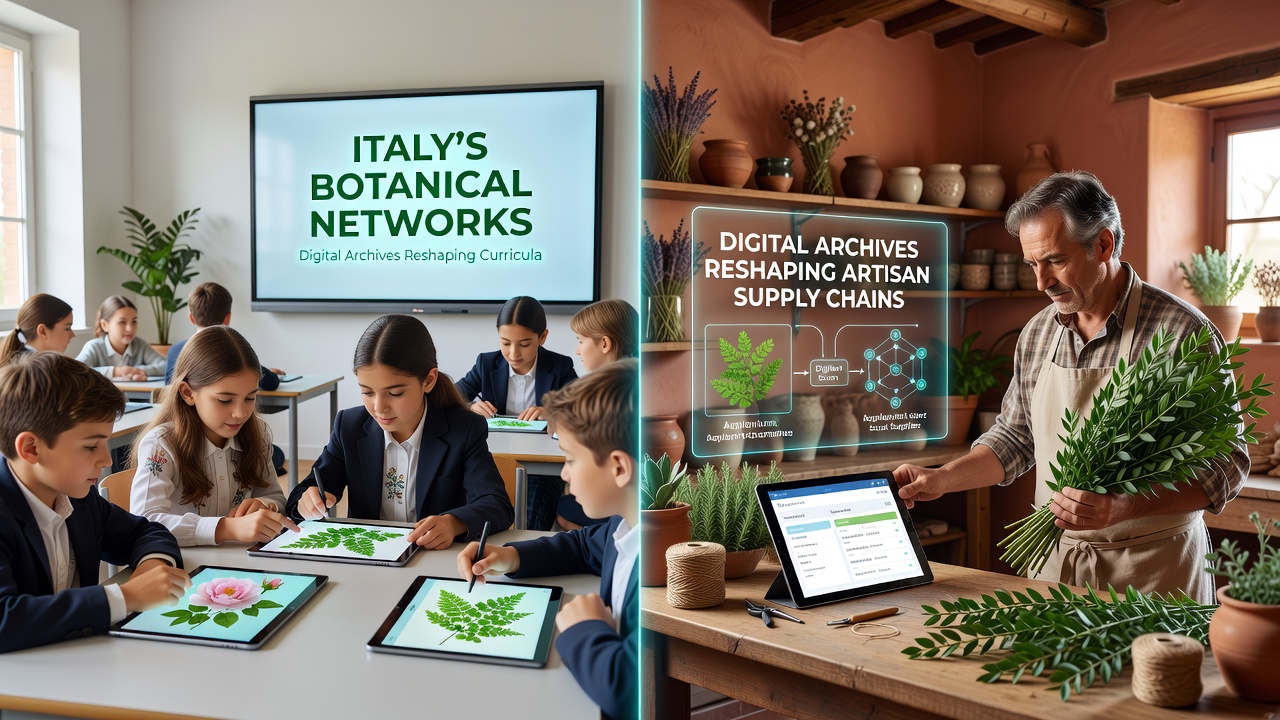
Artisan workshops in textile and perfumery sectors query these archives to confirm plant availability and regional origins before placing orders. Figures from supply chain reports indicate reduced verification times when digital records replace manual checks, while November 2026 sees several Italian regions testing pilot integrations between school databases and local artisan cooperatives for joint documentation projects.
Changes in Educational Approaches
Italian secondary schools have incorporated archive queries into biology and geography classes, where students analyze digitized specimens alongside field notes from past decades. Ministry guidelines updated in recent years encourage this method because it meets requirements for digital literacy alongside traditional natural history content. Teachers report that classes now compare pre- and post-2000 collection data to examine environmental pressures, and several programs pair classes with regional gardens for virtual specimen reviews.
University partnerships extend these resources into teacher training, and evidence from pilot programs shows students building their own annotated subsets of climate-resilient species lists. One study from a Milan-based research group found that classes using archive tools completed mapping exercises 30 percent faster than groups relying solely on textbooks, though results vary by region and equipment access.
Adjustments in Artisan Supply Practices
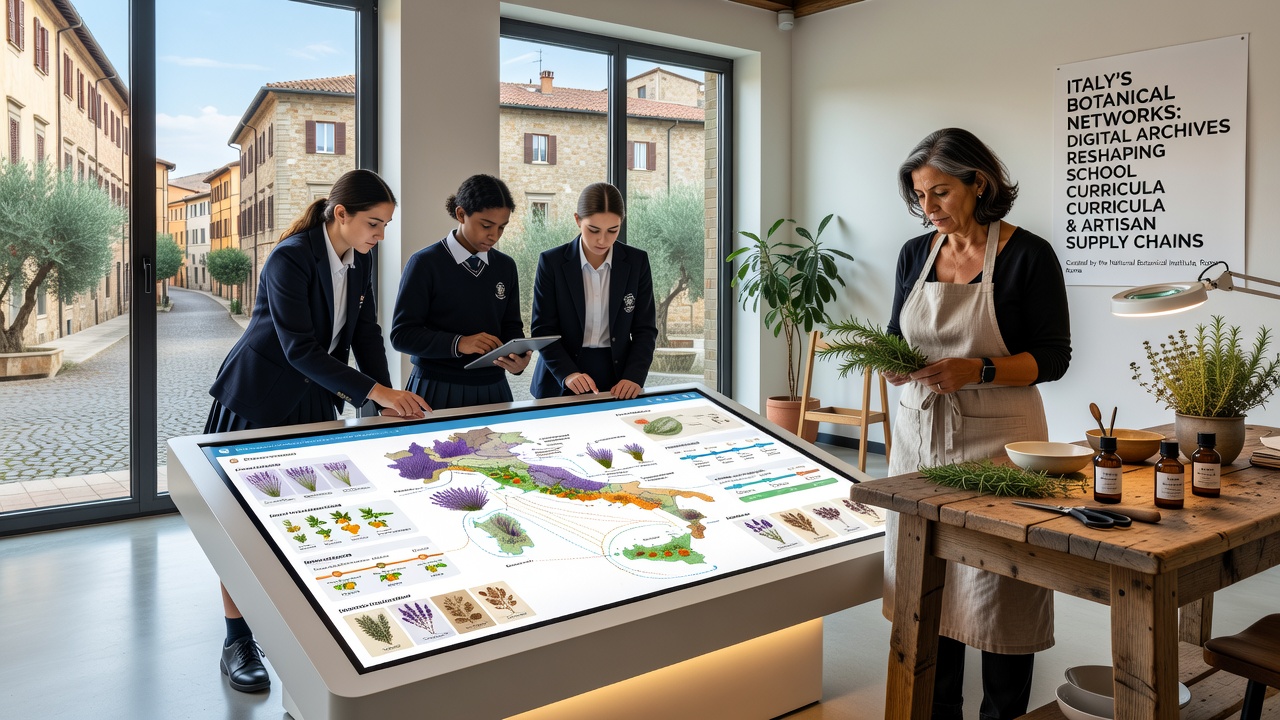
Artisan networks that produce textiles, dyes, and herbal products now cross-reference digital records to locate sustainable harvesting zones and verify species identity before procurement. This practice reduces mismatches between ordered and received materials, according to trade association summaries from northern Italy. Supply chain managers consult archive timestamps and location tags to align purchases with seasonal collection windows documented in the databases.
Small cooperatives in the Apennines and coastal areas have begun uploading their own harvest logs to the same platforms, creating feedback loops that update distribution data for schools and other users. European Environment Agency summaries highlight how such linked records support compliance with biodiversity directives, and several artisan groups in 2026 reported faster permit approvals when digital provenance trails accompany applications.
Interconnections Between Education and Commercial Sectors
Joint projects between schools and artisan groups have emerged where students contribute metadata tags to archive entries while learning about material sourcing. These efforts draw on records from multiple regions, and participants gain exposure to both scientific documentation standards and practical supply considerations. Data from regional education offices indicate rising enrollment in combined modules that cover archive navigation alongside basic botany.
Researchers tracking these developments point to shared platforms as the mechanism that allows curriculum content to reflect current sourcing realities without separate research efforts. Italian Ministry of Culture reports note increased archive queries from both sectors during 2025 and into late 2026, with usage logs showing balanced activity between educational and commercial accounts.
Conclusion
Digital botanical archives continue to link Italian schools and artisan networks through shared access to specimen data and distribution records. Schools update curricula with verified examples from these collections, while supply chains gain traceability that supports material verification and seasonal planning. Ongoing uploads through 2026 maintain the datasets, and the connections between education and production sectors rest on the same centralized records that multiple regions now maintain.